

Description
Product details
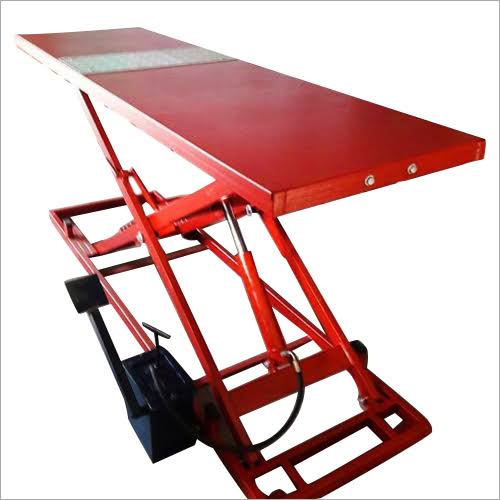
A two-wheeler ramp is a device used to lift motorcycles and scooters off the ground, making it easier for mechanics to access and work on various parts of the vehicle. These ramps come in different types, including hydraulic, manual, and automatic, each with its own advantages and disadvantages. They are commonly used in auto garages and workshops for maintenance and repair tasks. Types of Two-Wheeler Ramps: Hydraulic Ramps: These ramps use hydraulic systems to lift the vehicle smoothly and efficiently. They are often preferred for their ease of operation and ability to handle various vehicle models. Manual Ramps: These ramps require manual effort to lift the vehicle, typically using a lever or foot pedal. They are generally more affordable and require less maintenance. Automatic Ramps: These ramps use electric or pneumatic power to lift the vehicle, often with automatic safety features. They offer convenience and ease of operation but may come at a higher cost. Features and Benefits: Ease of Access: Ramps allow mechanics to easily access undercarriage components, such as the engine, suspension, and exhaust system. Safety: They provide a stable and secure platform for working on the vehicle, reducing the risk of accidents. Efficiency: Ramps streamline maintenance and repair processes, saving time and labor. Durability: Many ramps are constructed from durable materials like steel and aluminum, ensuring long-term use. Customization: Some ramps are adjustable in height, and some may have features like a platform for added stability. Common Applications: Auto Garages: Ramps are essential tools in auto garages for routine maintenance, repairs, and inspections. Motorcycle Shops: They are frequently used in motorcycle shops for a variety of tasks, including oil changes, tire repairs, and brake servicing. DIY Enthusiasts: Some individuals use ramps to perform DIY repairs on their motorcycles and scooters.